Housekeeping:
- Reminder: the OED is your best friend. Use it to check historical definitions and to prepare group annotations. We have free access to it from York’s library.
- Project 1 draft due to BB before midnight tonight (full drafts; at least 3 pages)
- Thesis statements: take 5 minutes to set out your thesis from the longer quote paragraph in our shared Google Doc. We will read thesis statements together and discuss them. As a reminder, we’re aiming at an argumentative statement that would appear at the end of your first paragraph. Theses usually are between 2 and 3 sentences (no longer) and should not begin as the answer to a question.
Overview: Print Culture

- Cheap print, ephemera
- Accounts of crimes and punishment, horrific births, historical events
- Basically the precursor of the tabloid
- Our man, Pepys, was particularly fond of them
- Broadsides (one long sheet that was not cut into a folio) were cheap because they were single-sheet and could be produced quickly and repeatedly:
- Ballads were popular as they used known songs people could sing in groups at bars, coffee houses, and at home
- “Hawkers” would also sing out the ballad or story in the street to attract buyers
John Gay (1685-1732)
- His family could afford to send him to grammar school but not to university
- Orphaned at 10 with no prospects, he began a career as a silk merchant before moving on to theater, where he was the manager’s assistant
- Besties with Alexander Pope and Jonathan Swift
- Studied with Georg Frideric Handel, the greatest opera composer at the time in London
- Wrote fables, poems, and other operas, but this was by far his biggest success
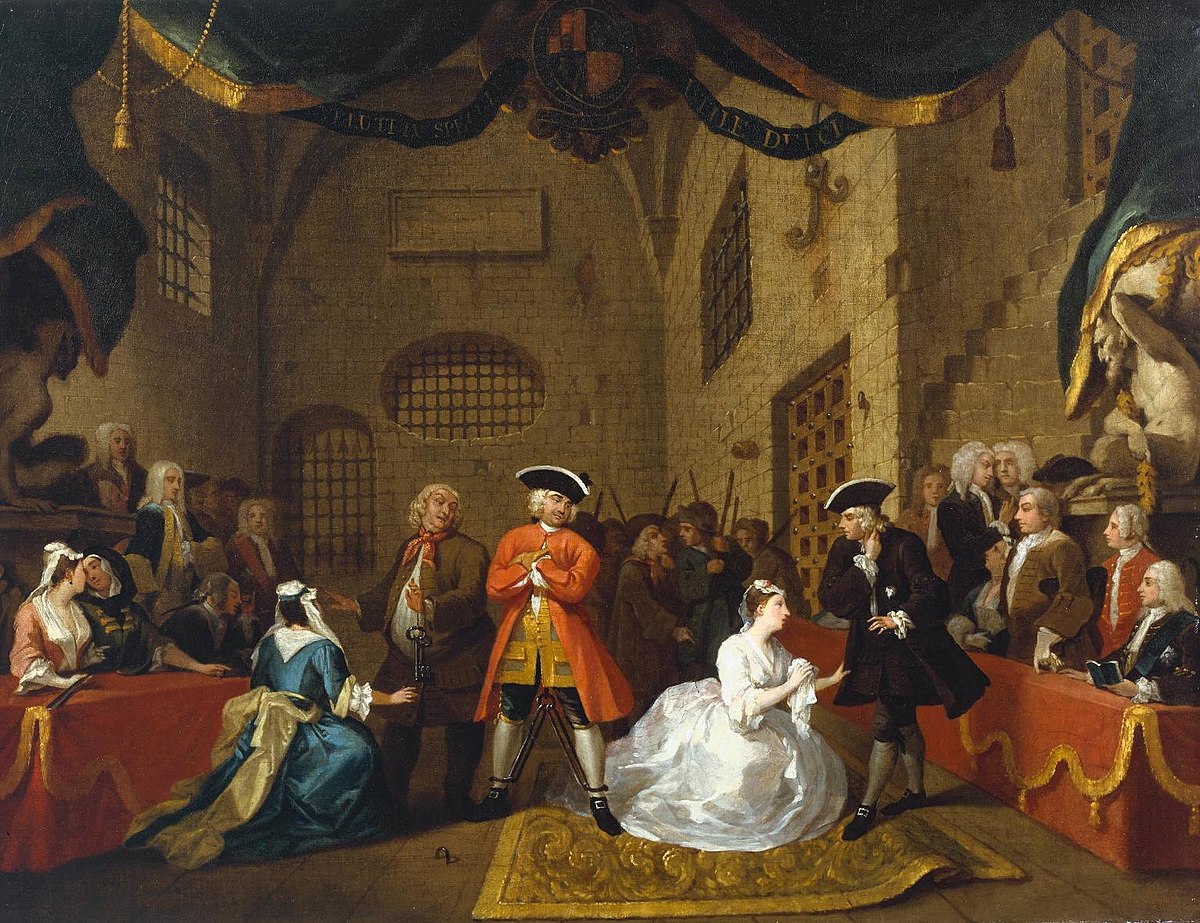
The Beggar’s Opera (1728)
- A satire of Italian operas and a biting critique of political intrigue and corruption
- Easy, simpler tunes make fun overly dramatic and artificial airs
- Main characters are thieves and bawds, rather than the heroes and kings of Italian opera.
- The year before John Gay’s opera premiered, the two leading prima donnas in London, Francesca Cuzzoni and Faustina Bordoni, were well known to be enemies. In 1727, their rivalry escalated to a fight on stage; the two divas scratched and pulled out each other’s hair! The rivalry between these ladies inspired Gay’s leading female characters, Polly Peachum and Lucy Lockit, and their quarreling scenes (18c England Website)
- The Opera was also an ode to ballad culture–the most popular of popular culture at the time and thus most likely to be familiar to the crowds in the theater
- Peachum is intended to be a critique of then Prime Minister Sir Robert Wolpole, a known womanizer, adulterer, and overall corrupt politician, who hated the free press (sound familiar?). He even went to the see the play. He must have hated it, but performed to the audience in the theater laughing along and even, supposedly, asking for an encore.
- It ran a record 62 nights on stage (hardly a “limited engagement” for the 18c)
- A sequel in which Polly travels to the West Indies to find a husband was censored from the stage but still widely popular in print
- Its pastiche style, combining genres, references, and characters in nonsensical and hardly plot-driven ways, might make it again to our (my? our!) beloved Hamilton.
- Scholar Hal Gladfelder calls it “the first jukebox musical”
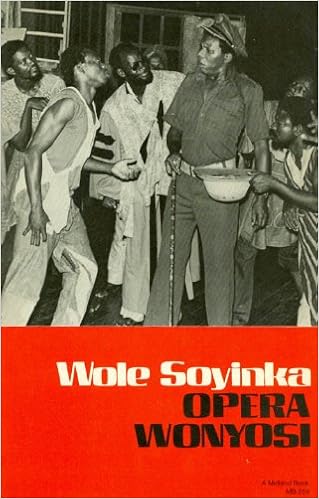
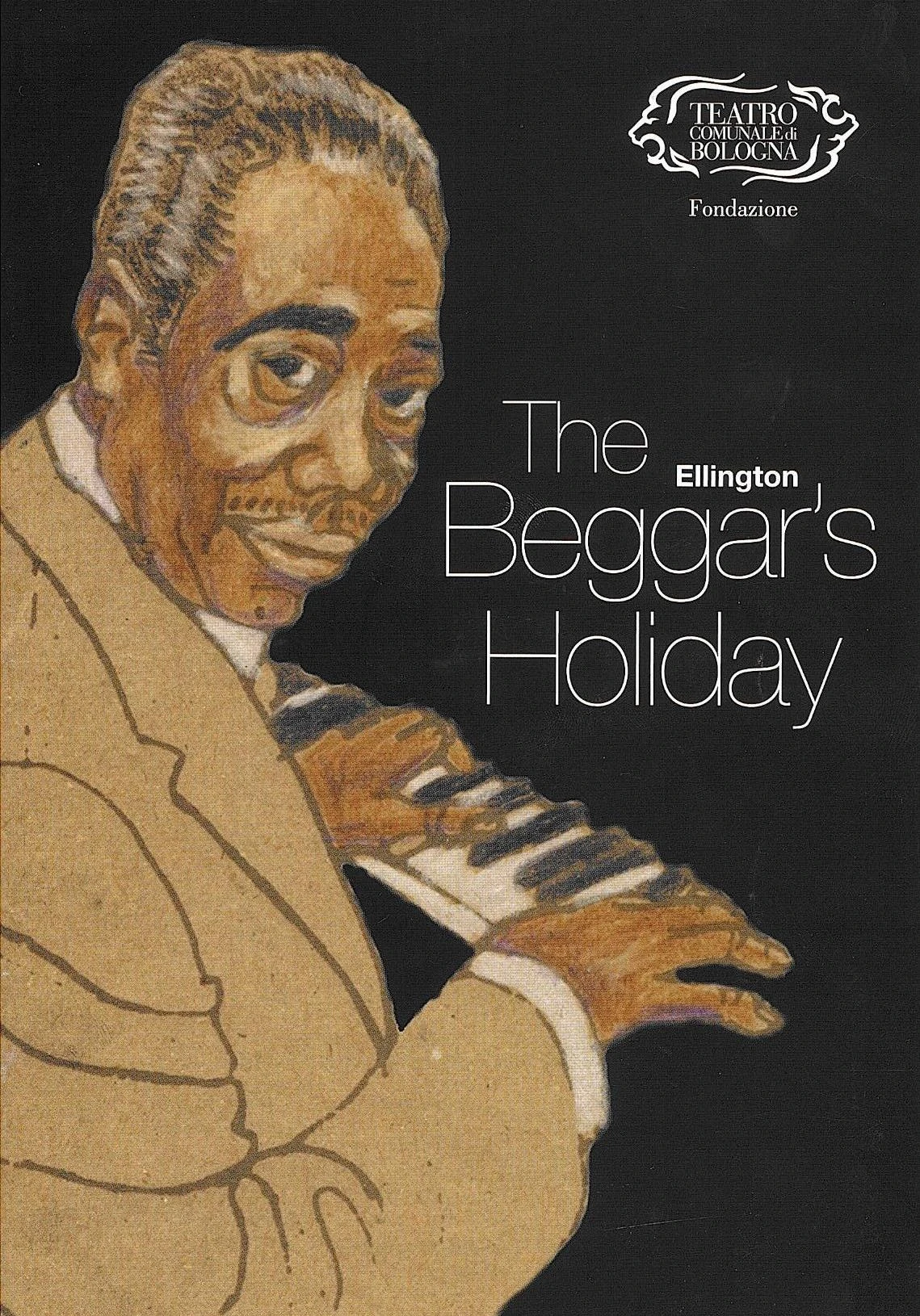
- Inspired many adaptations over the centuries:

Discussion
Twitter summary: power relations, the (mis)treatment of women, parents and daughters, triflling men
“In anything, but Marriage! After that, my Dear, how shall we be safe? Are we not then in her Husband’s Power? For a Husband hath the absolute Power over all a Wife’s Secrets but her own.” It’s interesting to note the power hierarchy of the old and the young #ENG333
— Cesar Ventura (@Cesar_vntr) March 12, 2018
lol I feel like you can save this tweet and just replace “Macheath” for another male’s name next week 😂 #eng333 https://t.co/Je7WpB2DJC
— kaira (@KairaPresume) March 11, 2018
#eng333
We retrench… the Robbers of Mankind, for Money was made for the Free-hearted and Generous, and where is the Injury of taking from another, what he hath not the Heart to make use of?
hmmm?? is this assessment ok?? Greed being always there buy is it ethical to steal?— aisha s chaudhry (@aishach89) March 11, 2018
- Why is this called The Beggar’s Opera? What does Gay’s purpose seem to be?
- What did you make of MacHeath?
- Where does Polly fit in with our other female characters so far? How is she similar/different from Fantomina, or Mrs. Pinchwife? And what about Lucy? What does this suggest about the public perception of young women in this period?
- Does this play depict relationships (among friends, parents, lovers) differently than the texts we’ve read so far?
- What do you think made this play so popular and inspirational to other artists?
Next week:
- Read The Castle of Otranto (a longer read, so start early!)
- Go to this page for your Hybrid requirements
- Participate in lively Twitter debates throughout the week

